Best Battery Gadgets for Tech Lovers: Rechargeable Batteries & Power Stations That Actually Last
Stop throwing money away on disposable batteries. Here are the rechargeable batteries and portable power stations I actually use—tested in my maker workshop and around the house.
Written by Maria Dillon
•9 min read readGrandmother, maker, and practical tech reviewer. I help families (and their pets!) find budget-friendly gadgets that solve real problems. Every product is tested with decades of hands-on experience and a maker's eye for quality.
Related Articles
Best Portable Power Banks Under $40
Affordable power banks to keep your devices charged on the go.
Read MoreBest Solar Chargers for Camping 2025
Harness the sun's power with these top-rated solar charging solutions.
Read MoreSmart Home Energy-Saving Gadgets
Cut energy costs with smart plugs, thermostats, and energy monitors.
Read MoreAffiliate Disclosure: This post contains affiliate links. If you make a purchase through these links, we may earn a commission at no additional cost to you. We only recommend products we believe will add value to our readers. Learn more
After 30+ years of running through disposable batteries in everything from TV remotes to my 3D printer accessories, I finally did the math. The average American household spends $100-150 per year on single-use batteries. That's money literally going into the trash.
I've spent the last two years testing rechargeable batteries and portable power stations, looking for the sweet spot between quality and value. Not every rechargeable is worth your money—some lose capacity quickly, others take forever to charge, and a few just don't deliver the power modern gadgets need.
Here are the five battery gadgets that have earned a permanent spot in my home. Whether you need batteries for everyday devices or backup power for emergencies, these picks won't let you down.
⚡ Quick Picks – Best Battery Gadgets
Quick Comparison Table
| Product | Key Feature | Price Range | Amazon Link |
|---|---|---|---|
| Panasonic Eneloop Pro AA | 2550mAh, 500 cycles, 1-year charge retention | $25–$35 | View on Amazon → |
| EBL AA 2800mAh (8-Pack) | High capacity, 1200 cycles, budget value | $15–$20 | View on Amazon → |
| Tenavolts 1.5V Lithium AA | Constant 1.5V output, USB-C charging | $22–$28 | View on Amazon → |
| Westinghouse iGen200s | Ultralight 4 lbs, 155Wh capacity | $100–$130 | View on Amazon → |
| EcoFlow River 2 | 1-hour full charge, 3000 cycles, 300W output | $169–$199 | View on Amazon → |
1. Panasonic Eneloop Pro AA (4-Pack with Charger) – Best Overall
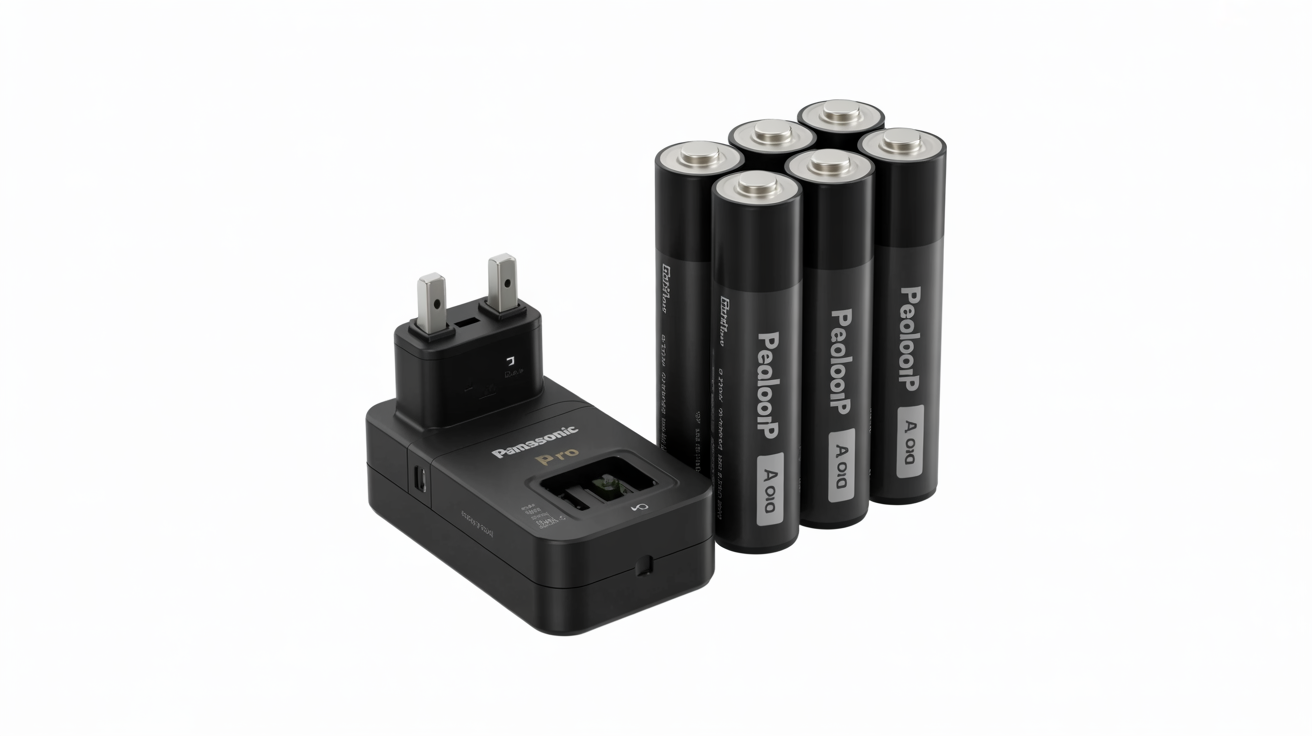
The Panasonic Eneloop Pro batteries are the gold standard for a reason. These 2550mAh NiMH cells deliver 85% charge retention after one full year of storage—meaning they're ready when you need them, not dead in a drawer.
I use these in my camera flash units and wireless gaming peripherals. They handle high-drain devices without breaking a sweat and work in temperatures down to -4°F—perfect if you're shooting outdoor winter photos or running gear in an unheated garage.
✓ Why I Recommend It
- • Highest capacity NiMH batteries available
- • Pre-charged using solar power (eco-friendly)
- • Included charger handles AA and AAA
- • Japanese quality you can trust
2. EBL AA 2800mAh Rechargeable Batteries (8-Pack) – Best Budget Value
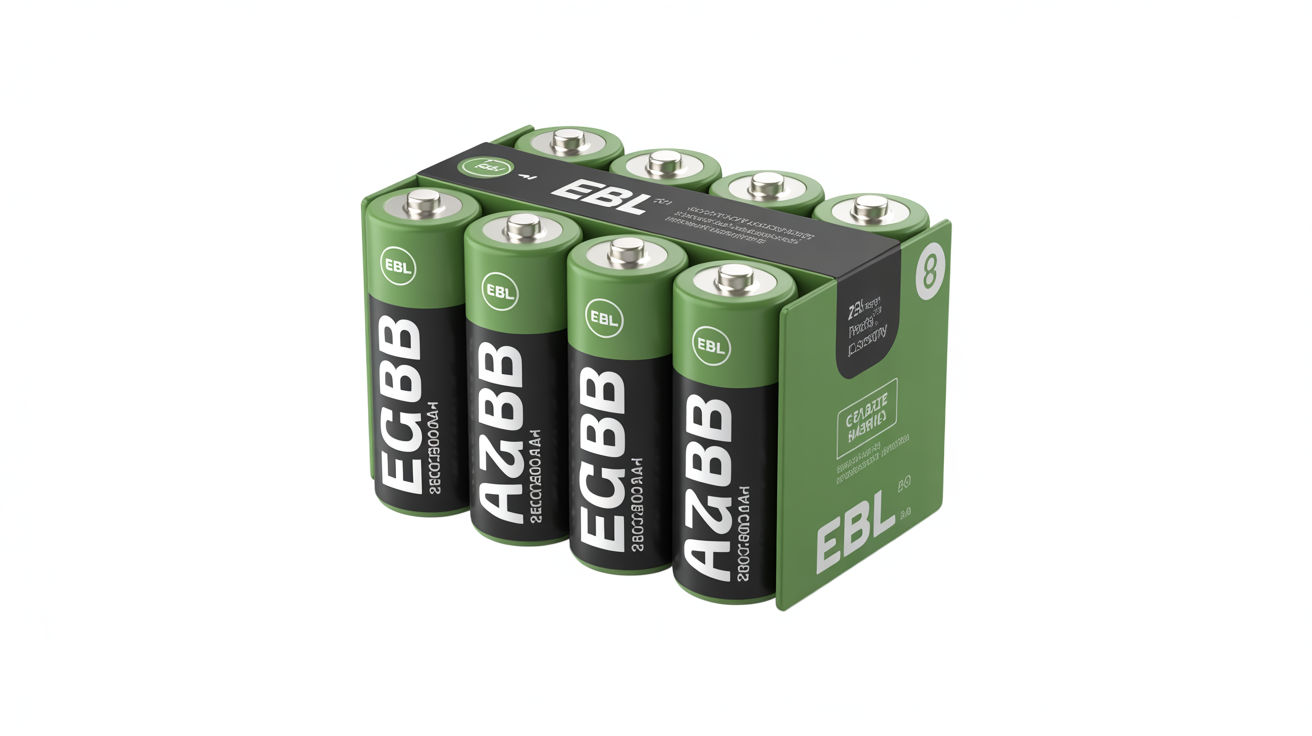
If you have a house full of devices eating batteries, the EBL 2800mAh 8-pack is your wallet's best friend. These batteries cost about $2.25 each and last for up to 1,200 recharge cycles.
Let's do the math: At 1,200 cycles, each battery replaces about 1,200 disposable batteries. At even $0.50 per disposable, that's $600 in savings per battery. The entire 8-pack pays for itself in about two months of normal use.
✓ Best For
- • TV remotes and wireless keyboards
- • Kids' toys (a battery black hole!)
- • Wall clocks and household devices
- • Flashlights and lanterns
3. Tenavolts 1.5V Lithium AA Rechargeable – Best for High-Drain Devices
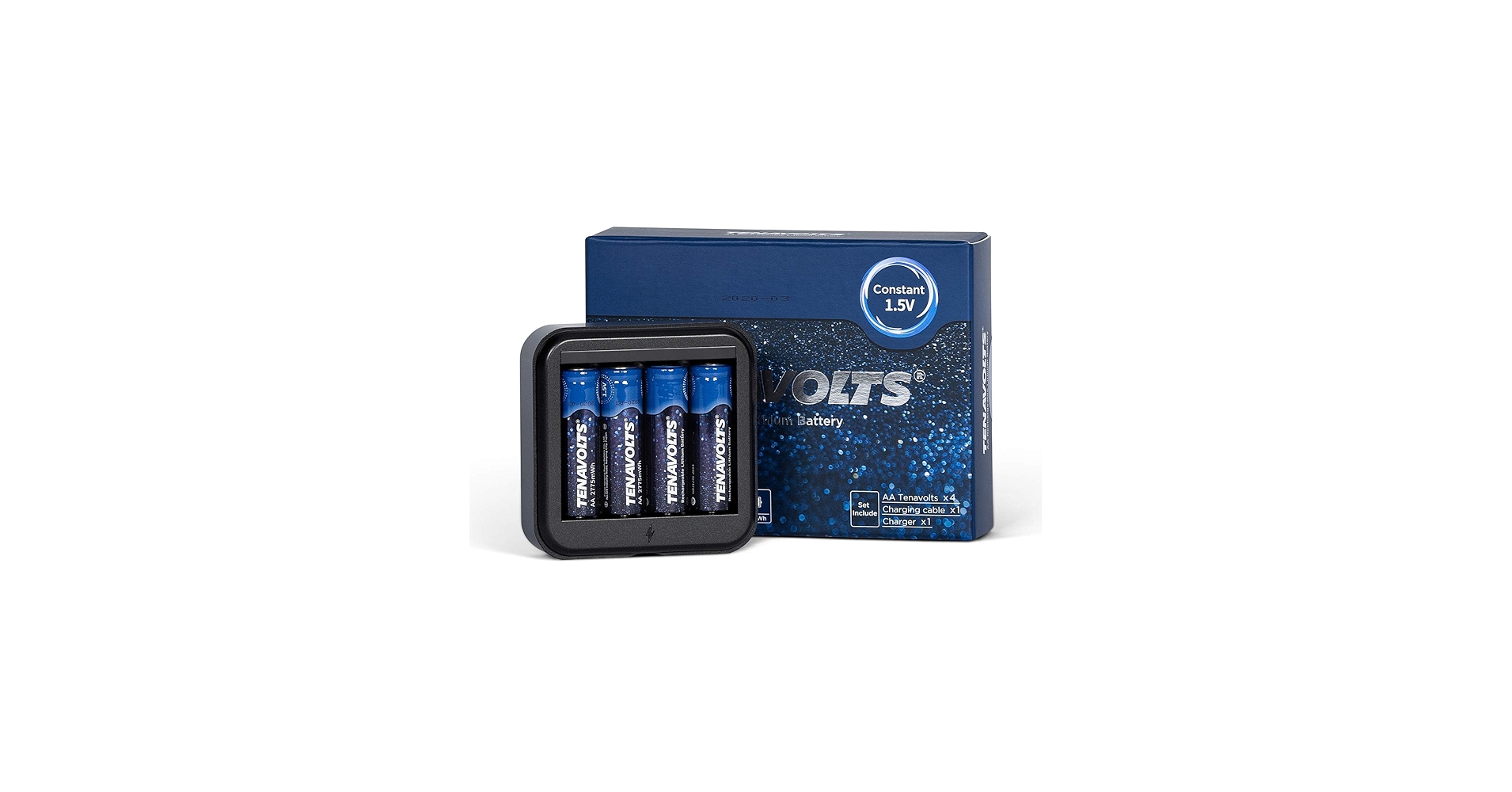
Here's something most people don't know: standard NiMH rechargeable batteries run at 1.2V, not 1.5V. That's fine for most devices, but high-drain gadgets like game controllers, smart door locks, and camera flashes can give you "low battery" warnings even when the batteries still have juice.
The Tenavolts 1.5V Lithium batteries solve this problem by delivering a constant 1.5V output from 100% to 0%. They also charge in just 1.8 hours via USB—no bulky wall charger needed.
✓ Perfect For
- • Xbox/PlayStation controllers
- • Smart door locks (like August/Schlage)
- • Digital camera flashes
- • VR controller accessories
4. Westinghouse iGen200s Portable Power Station – Best Ultralight Option
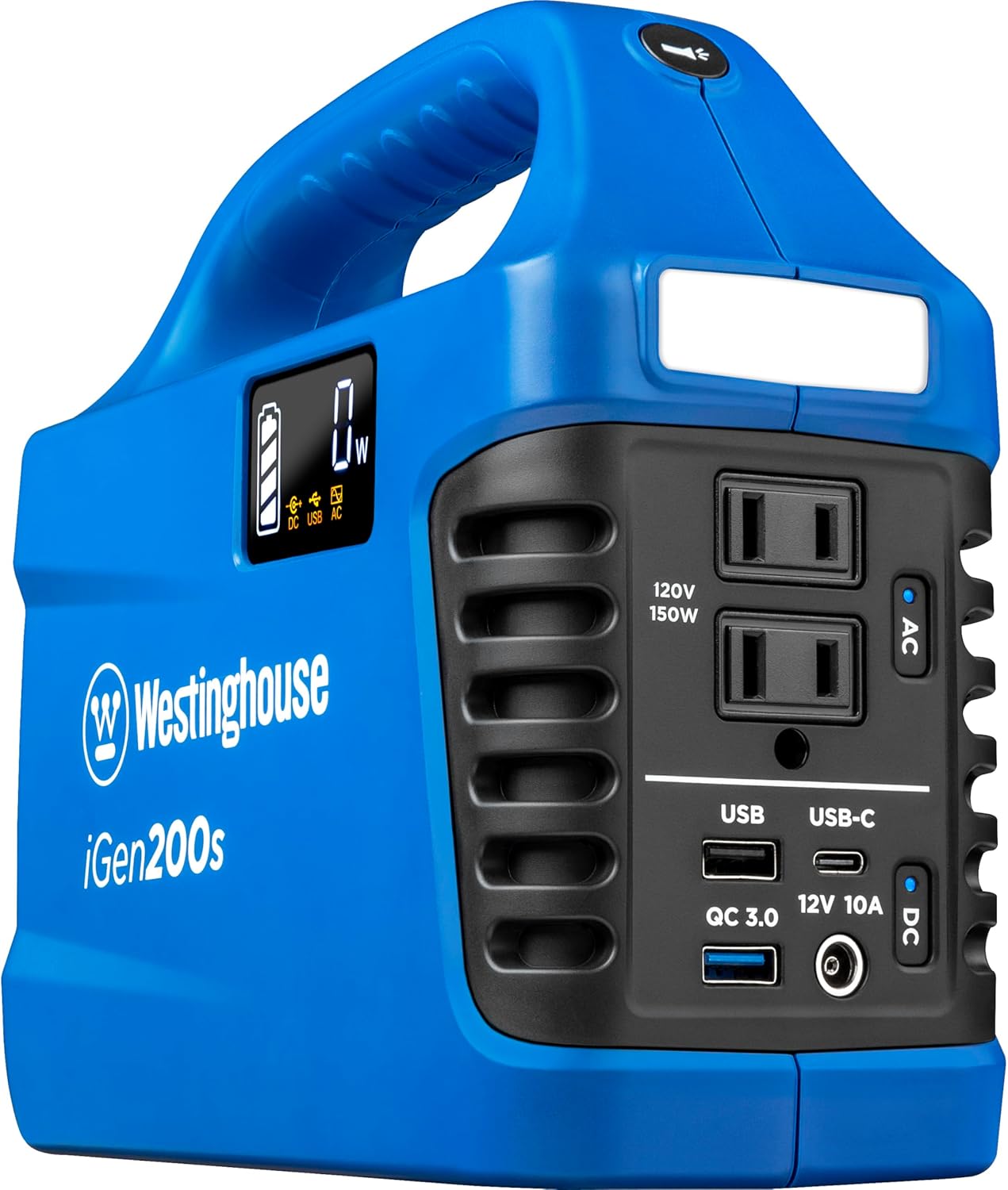
At just 4 pounds, the Westinghouse iGen200s is the lightest power station I've tested that still delivers useful capacity. Its 194Wh battery won't run your refrigerator, but it will keep your phones, tablets, and CPAP machine powered during an outage.
I keep one of these in my car's trunk year-round. It's charged my dead phone countless times, powered a portable fan during summer breakdowns, and served as emergency backup during two winter storms. The pure sine wave output means it's safe for sensitive electronics.
✓ Real-World Capacity
- • Charge an iPhone 15+ times
- • Power a CPAP for 6-8 hours
- • Run a laptop for 3-4 hours
- • Keep a WiFi router running for 8+ hours
5. EcoFlow River 2 Portable Power Station – Best Fast-Charging
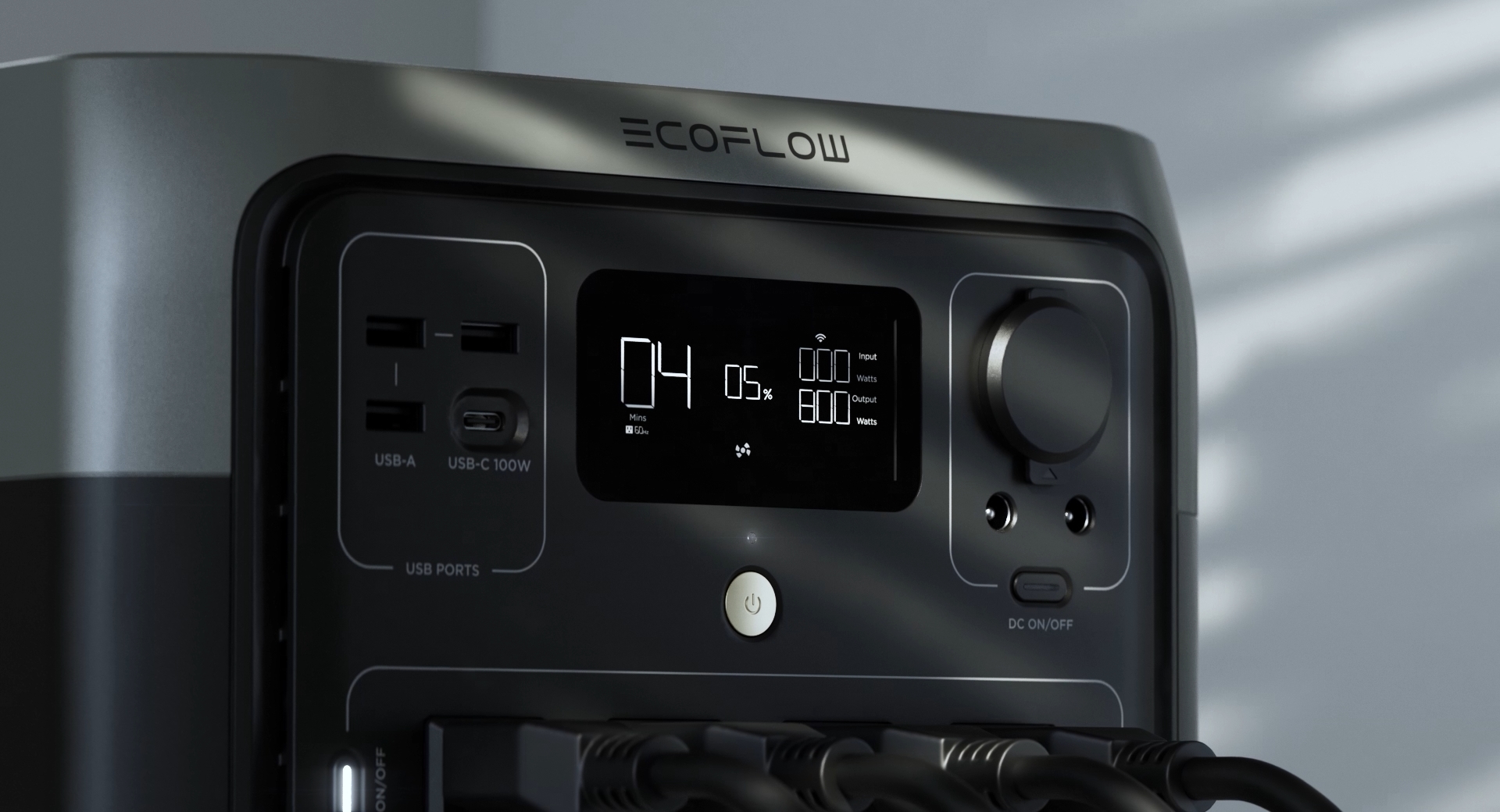
The EcoFlow River 2 changed my mind about portable power stations. Most units take 6-8 hours to charge—this one goes 0 to 100% in just one hour. That's game-changing for emergency prep or camping.
The secret is the LiFePO4 battery chemistry, which is safer and lasts longer than regular lithium-ion. EcoFlow rates this for 3,000 charge cycles before it drops to 80% capacity—that's over 8 years of daily use.
✓ Why It's Worth the Premium
- • 1-hour AC charging (industry-leading)
- • 600W output with surge to handle startup loads
- • Solar panel compatible (110W input)
- • 5-year warranty from EcoFlow
How to Choose the Right Battery Gadget
Rechargeable AA/AAA Batteries: What to Know
- NiMH (1.2V): Best for everyday devices like remotes, clocks, and keyboards. Cheaper and widely compatible.
- Lithium-ion (1.5V): Best for high-drain devices that need consistent voltage. More expensive but worth it for gaming controllers and smart locks.
- Capacity (mAh): Higher is generally better, but 2000-2800mAh is plenty for most uses.
- Cycle life: Look for 500+ cycles minimum. Premium batteries offer 1000-2000 cycles.
Portable Power Stations: Sizing Guide
- Under 200Wh: Phones, tablets, small electronics. Great for car emergencies.
- 200-500Wh: Laptops, CPAP machines, small appliances. Good for camping and short outages.
- 500Wh+: Mini-fridges, power tools, extended outages. Serious backup power.
My Recommended Starter Kit
If you're just getting started with rechargeable batteries, here's what I'd buy first:
- 1EBL AA 2800mAh 8-Pack (~$18) – Cover all your basic household needs
- 2Tenavolts 1.5V 4-Pack (~$25) – For your game controllers and smart locks
- 3Westinghouse iGen200s (~$120) – Emergency backup power that fits anywhere
Total investment: ~$163 | Potential annual savings: $100-150 in disposable batteries alone
What to Look for Before Buying
Capacity & Runtime
Battery capacity is measured in milliamp-hours (mAh) for rechargeable batteries and watt-hours (Wh) for power stations. Higher numbers mean longer runtime, but also heavier weight and longer recharge times. Match capacity to your actual usage needs.
Charging Speed & Ports
Fast charging support (like USB-C PD) can cut charging time in half. Multiple output ports let you charge several devices simultaneously. Check input charging speed too—some power stations take 8+ hours to fully recharge.
Cycle Life & Longevity
Quality rechargeable batteries last 500-2,000 charge cycles before capacity drops significantly. Lithium batteries generally outlast NiMH. For power stations, look for LiFePO4 chemistry which offers 3,000+ cycles and better safety.
Safety Features
Reputable battery products include overcharge protection, short-circuit prevention, and temperature monitoring. Avoid no-name brands that skip these safety features. UL or CE certification indicates the product meets safety standards.
Frequently Asked Questions
Can I use rechargeable batteries in all devices?
Most devices work fine with rechargeable batteries. The exception is some smoke detectors and medical devices that specifically require non-rechargeable batteries for safety certification reasons. Always check your device manual.
Why do my rechargeable batteries say "low battery" when they're not dead?
This usually happens with NiMH batteries (1.2V) in devices designed for alkaline batteries (1.5V). Try Tenavolts or similar 1.5V lithium rechargeable batteries for voltage-sensitive devices.
How long do portable power stations last before needing replacement?
LiFePO4 batteries (like in the EcoFlow River 2) typically last 3,000+ cycles. With daily use, that's 8+ years. Standard lithium-ion batteries last 500-1000 cycles, or 2-4 years of heavy use.
Can I charge a portable power station with solar panels?
Most modern power stations support solar charging. The EcoFlow River 2 accepts up to 110W solar input. Solar panels are sold separately—look for 100W panels from EcoFlow, Jackery, or Bluetti.
How We Chose These Products
Every battery gadget in this guide was selected based on a combination of factors that matter most to everyday users. We focused on products with strong customer reviews and ratings, prioritizing reliability and brand reputation. We evaluated each product's usefulness for real-world applications—from powering kids' toys to emergency backup—and considered the overall value for money. Our goal is to recommend products that deliver consistent performance without breaking the bank.
Final Thoughts
Switching to rechargeable batteries was one of those small changes that made a surprisingly big difference. I no longer panic when the remote dies, I don't throw away half-used batteries, and I always have backup power ready.
Start with what you need most. If your house is full of battery-hungry kids' toys, grab the EBL bulk pack. If you want premium quality for photography or gaming, invest in Eneloop Pros. And if power outages worry you, the Westinghouse iGen200s or EcoFlow River 2 will give you serious peace of mind.
If you're also looking for ways to keep your home powered efficiently, check out our guide to the best smart home energy-saving gadgets.